HERAT, Afghanistan — Industrial production in western Afghanistan continues to receive essential raw materials through regional trade routes despite recent logistical challenges, according to local industry officials.
Abdul Naser Amin, head of the Herat Chamber of Industries and Mines, said factories in Herat’s Industrial Park are continuing to import raw materials from Iran and other countries to sustain production.
Speaking to نا, Amin acknowledged that some obstacles had recently affected the import of industrial inputs through Iran. However, he said the flow of goods has now resumed, and trade operations are continuing through both Iranian and alternative regional corridors.
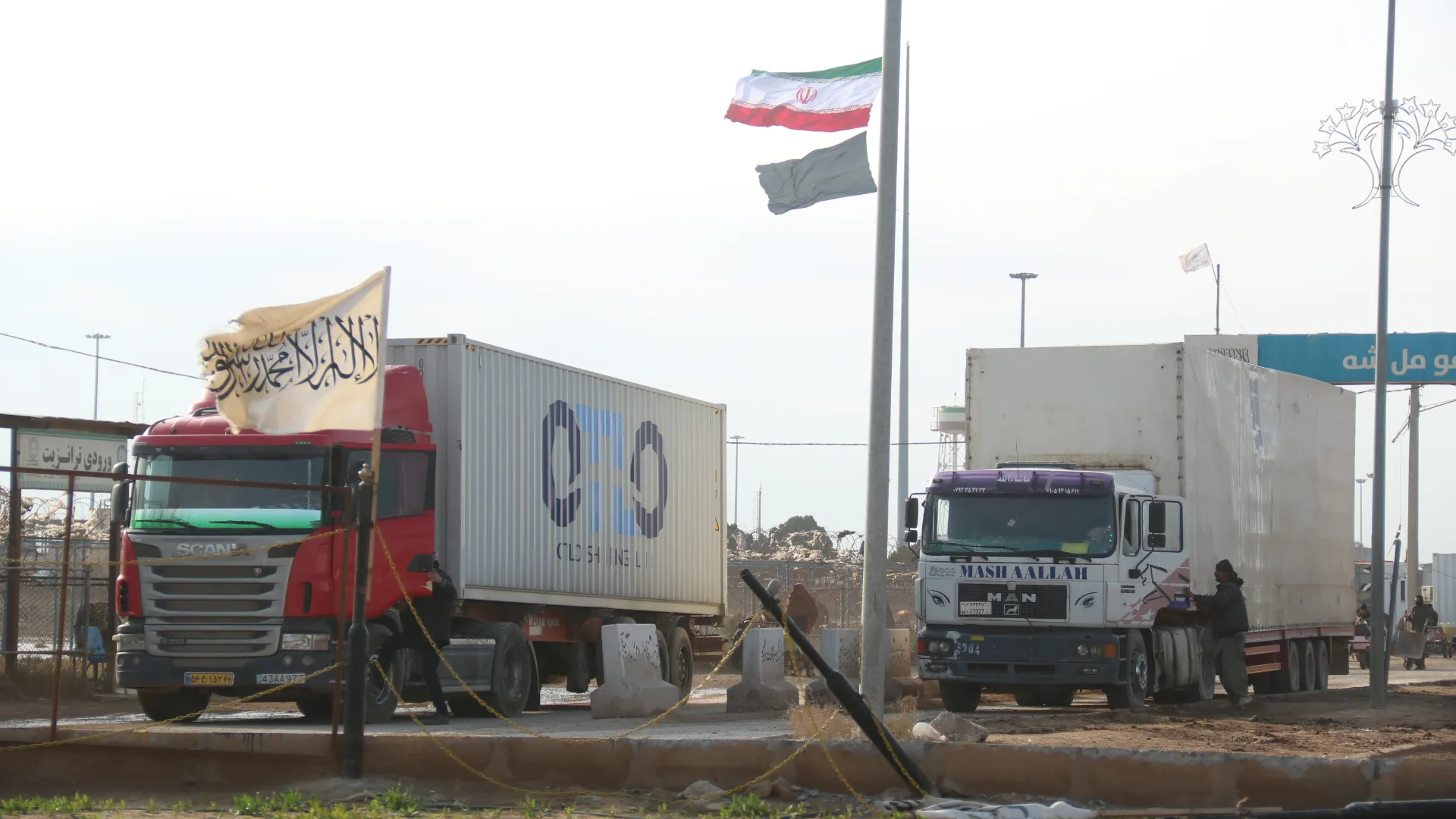
According to Amin, approximately 800 trucks enter Afghanistan daily from Iran through the Islam Qala border crossing, while around 600 trucks travel in the opposite direction, reflecting the continued importance of bilateral trade between the two neighboring countries.
He added that exemptions from visa and travel permit requirements for Iranian transit truck drivers delivering cargo to Islam Qala Customs have contributed to smoother cross-border trade and improved logistics efficiency.
Amin also noted that Afghan businesses have expanded access to alternative trade routes, including corridors through Uzbekistan, amid ongoing regional uncertainties. Such diversification, he said, has helped maintain the flow of imports and exports despite disruptions affecting traditional transport routes.
Looking ahead, he emphasized the economic significance of the proposed Herat–Mazar-e-Sharif railway project, arguing that the railway could substantially reduce transportation costs and improve Afghanistan’s connectivity to regional markets by enabling larger volumes of goods to be transported more efficiently.
Despite these developments, several traders in Herat reported rising transportation and commercial costs in recent months. They attributed the increase to regional instability, including tensions affecting trade routes through Iran and the continued closure of key border crossings with Pakistan, which have increased the cost of moving goods across the region.
The remarks highlight both the resilience of Afghanistan’s western trade corridors and the growing importance of regional connectivity projects as businesses seek to mitigate the economic impact of geopolitical disruptions.