237
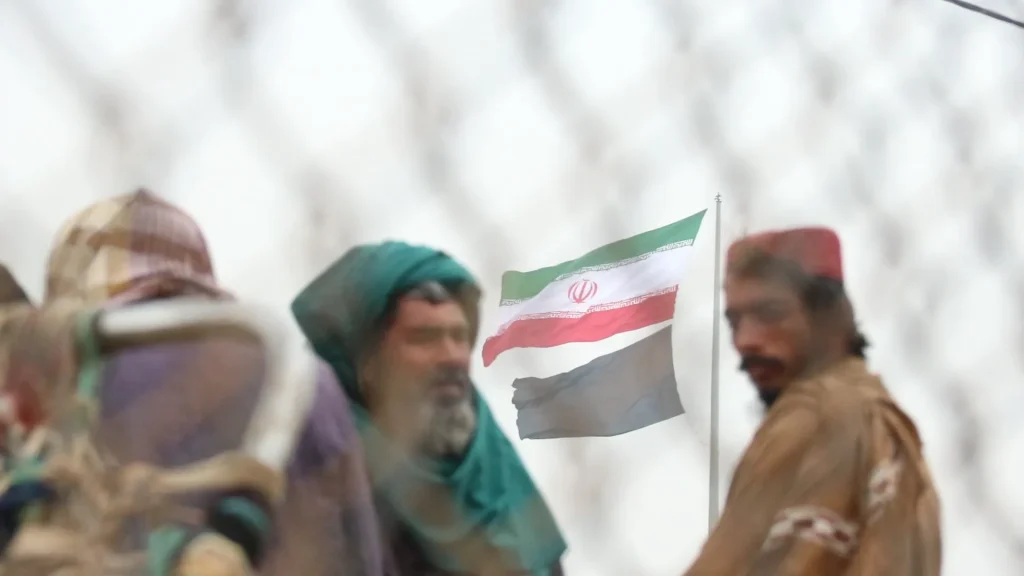
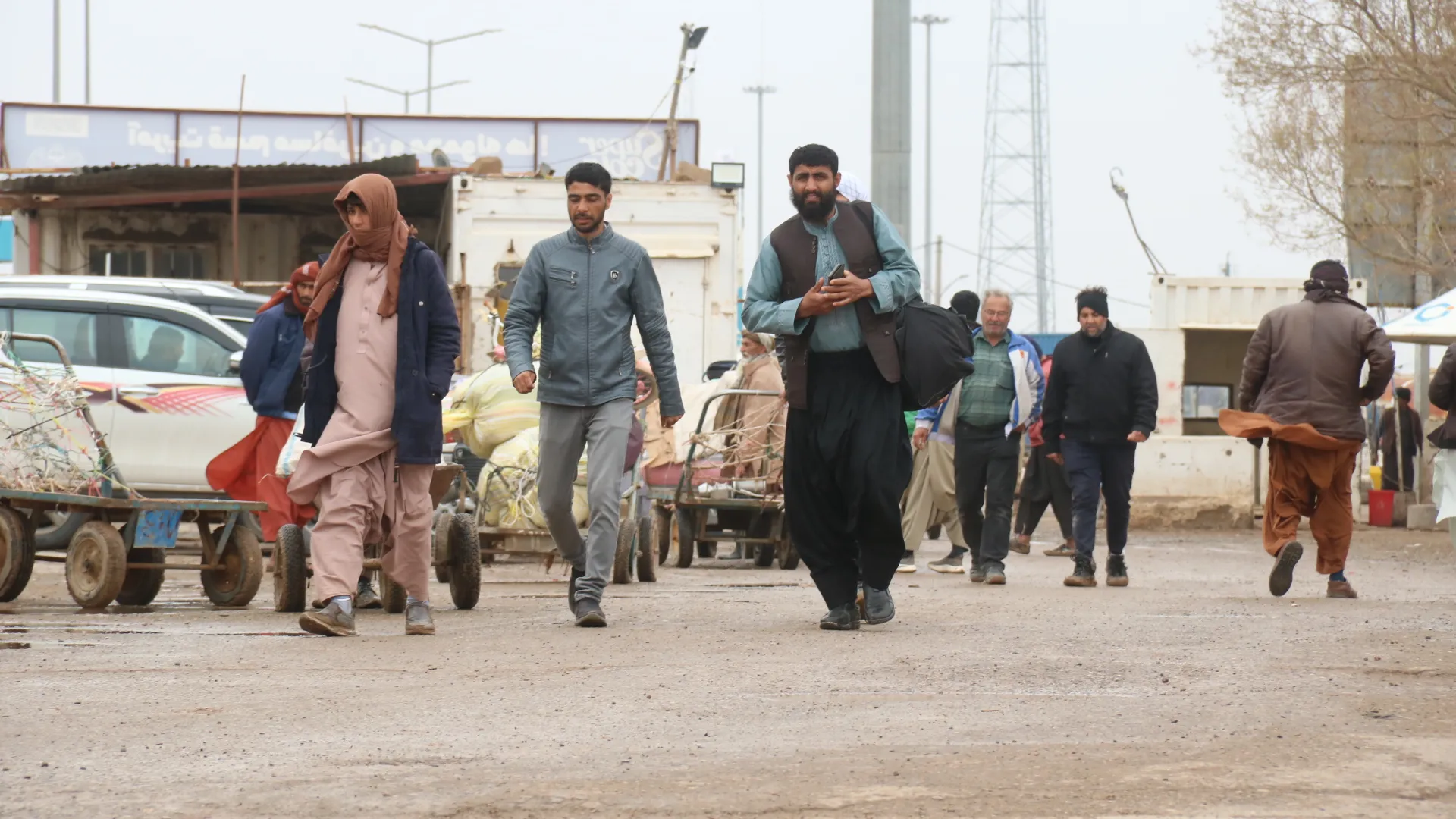
Nearly a week after the war began in Iran with U.S. and Israeli strikes, millions of Afghan migrants there are increasingly affected.
According to figures cited by Iranian officials, between three and five million Afghans currently reside in Iran. Many of them work as laborers in construction, agriculture, and other low-paying sectors to support their families back home in Afghanistan.
As the conflict intensifies with alarming speed, dire changes along the Iran-Afghanistan border are unfolding. Local authorities report a sudden spike in Afghan migrants desperately returning home, with between 1,500 and 2,000 people now crossing back into Afghanistan daily.
Based on these figures, nearly 10,000 migrants have returned to Afghanistan over the past week alone, and officials warn the number could increase further if the conflict continues.
Rising number of returnees at the Islam Qala border
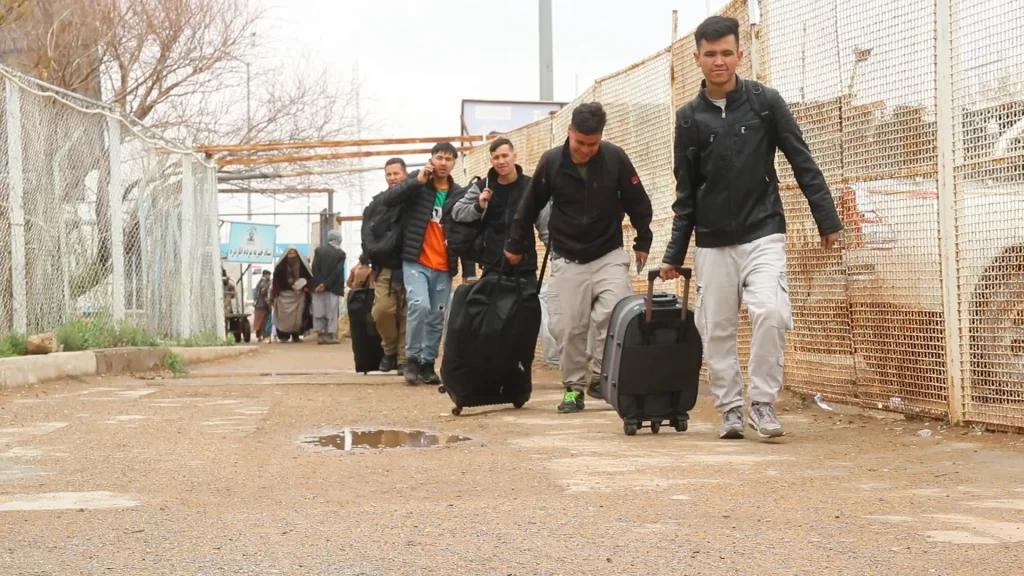
A large share of the returning migrants is crossing through the Islam Qala Border Crossing in western Afghanistan’s Herat province. The crossing is the largest land border point between Iran and Afghanistan, serving as a key route for trade and travel between the two countries.
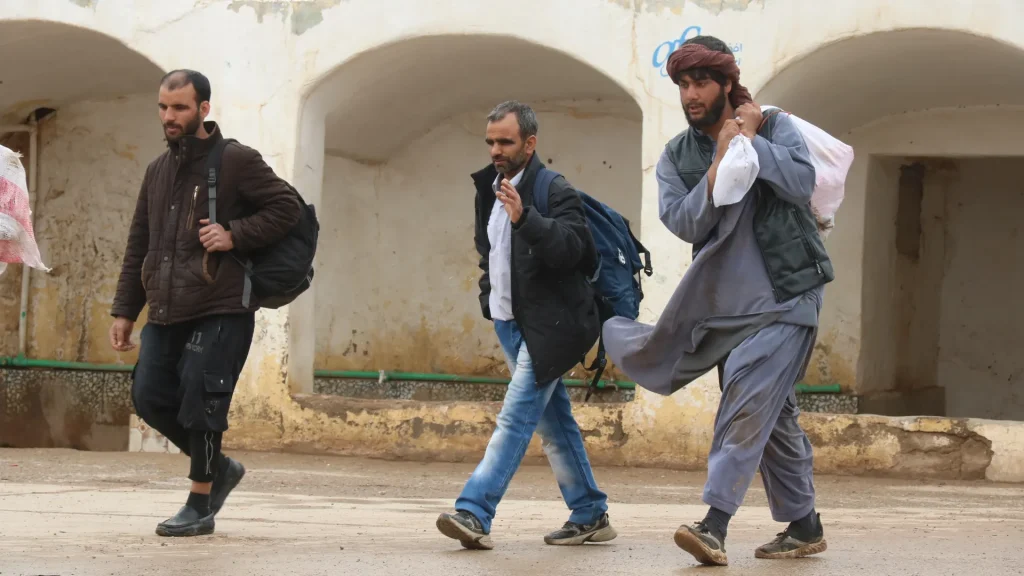
Scenes at the border show migrant workers arriving with suitcases and small bags, many appearing exhausted after long journeys. Among them are young laborers who had gone to Iran in search of work but now return with uncertainty about their future.
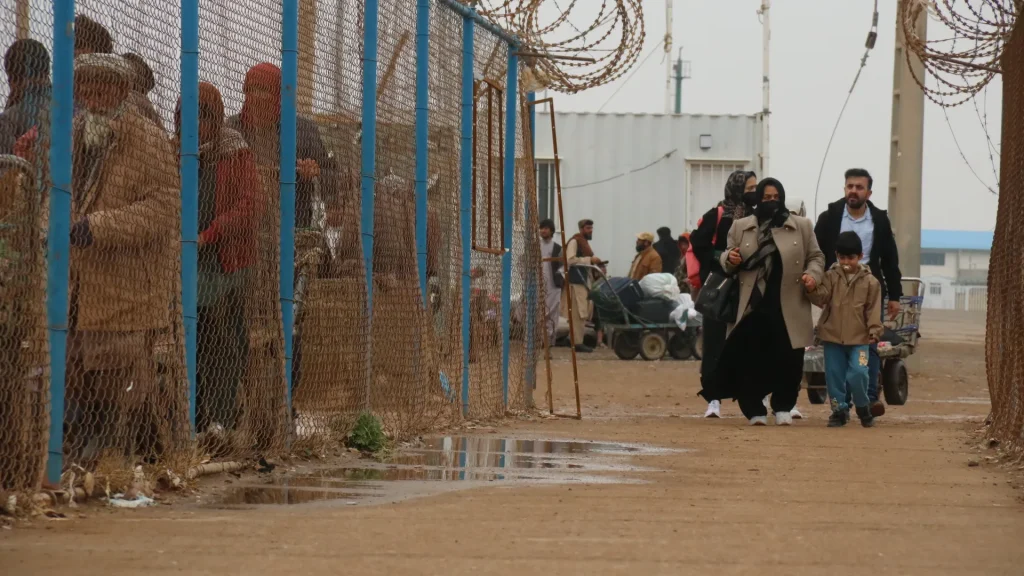
Some families are also crossing the border with children, saying they have once again been forced to flee war.
“We went to Iran for work, but now there is nothing left,” said one returning migrant.
Explosions and job losses force migrants to leave.
Sayed Ahmad Ismaili, a resident of Guzara district in Herat province, had traveled to Iran about ten months ago in search of employment. But after the war began and businesses closed, he says he had no option but to leave.
“I went to Iran legally with a passport,” he said. “When the war started, work stopped, and there were huge explosions. I was living in Tehranpars, and even the windows of our house were shattered by the blasts. I had to return to Afghanistan.”
Ismaili says he is still owed between 70 and 80 million Iranian tomans by his employer, but was forced to leave without collecting the money as economic activity collapsed and prices began to rise.
He added that work has halted in many Iranian cities, including Tehran, leaving migrant workers unemployed and pushing many to return to Afghanistan.
Migrants describe constant explosions.
Jahangir Sofi, from Shirin Tagab district in Faryab province, also recently returned through the Islam Qala crossing.
“I went to Iran about seven or eight months ago,” he said. “My passport was still valid, but work stopped, and the situation became very bad, so I had to come back.”
Sofi described constant explosions near the area where he worked as a building guard.
“Large blasts were happening almost around the clock,” he said. “There was fighting day and night near where we lived. Some Afghan migrants were also killed or injured. Many people have already returned, and many others are still coming back.”
Fear and uncertainty among Afghan workers
Another returnee, Nik Mohammad from Kabul province, crossed into Afghanistan on March 5 after living in Iran for nearly three years.
“There were two or three police or security posts near our house that were destroyed by explosions,” he said. “The situation was terrifying.”
Nik Mohammad said the recent conflict appeared even more intense than previous tensions involving Iran.
“This time the war felt more dangerous,” he said.
He also described the difficulties faced by undocumented migrants.
“People with passports received some attention,” he said. “But those without legal documents were mostly ignored.”
Officials say most returnees entered Iran legally.
Border officials say that around 90 percent of those returning during the past week had originally entered Iran legally, whereas previously most returnees were migrants who had been detained and deported.
Abdul Ghani Qazizada, the head of migrant registration at the Islam Qala crossing, said between 1,000 and 2,000 legal migrants are currently returning each day.
“The main reason is the ongoing war in Iran,” he said.
Aid organizations provide assistance at the border.
Despite a drop in deportations, assistance for returning families continues. Organizations, including the International Organization for Migration, are providing services at the border, including food distribution, medical assistance, cash support, and transportation for returning migrants.
However, officials warn that if the conflict continues, the number of returnees could rise further.
For a country like Afghanistan, where economic conditions remain fragile and job opportunities are limited, a large influx of returning migrants could create additional social and economic pressure.
Many of the migrants crossing back into Afghanistan say they had once fled conflict in their homeland in search of work and safety in Iran — only to find themselves once again escaping war.
You Might Also Like
- Two Killed, 51 Injured as Passenger Bus Overturns on Herat–Kandahar Highway
- Herat Exports More Than 10,000 Square Meters of Handwoven Carpets to Germany
- Illegal Wildlife Hunting in Western Afghanistan Threatens Ecosystem and Agriculture
- Afghan Wushu Official Appointed International Kung Fu Federation Ambassador