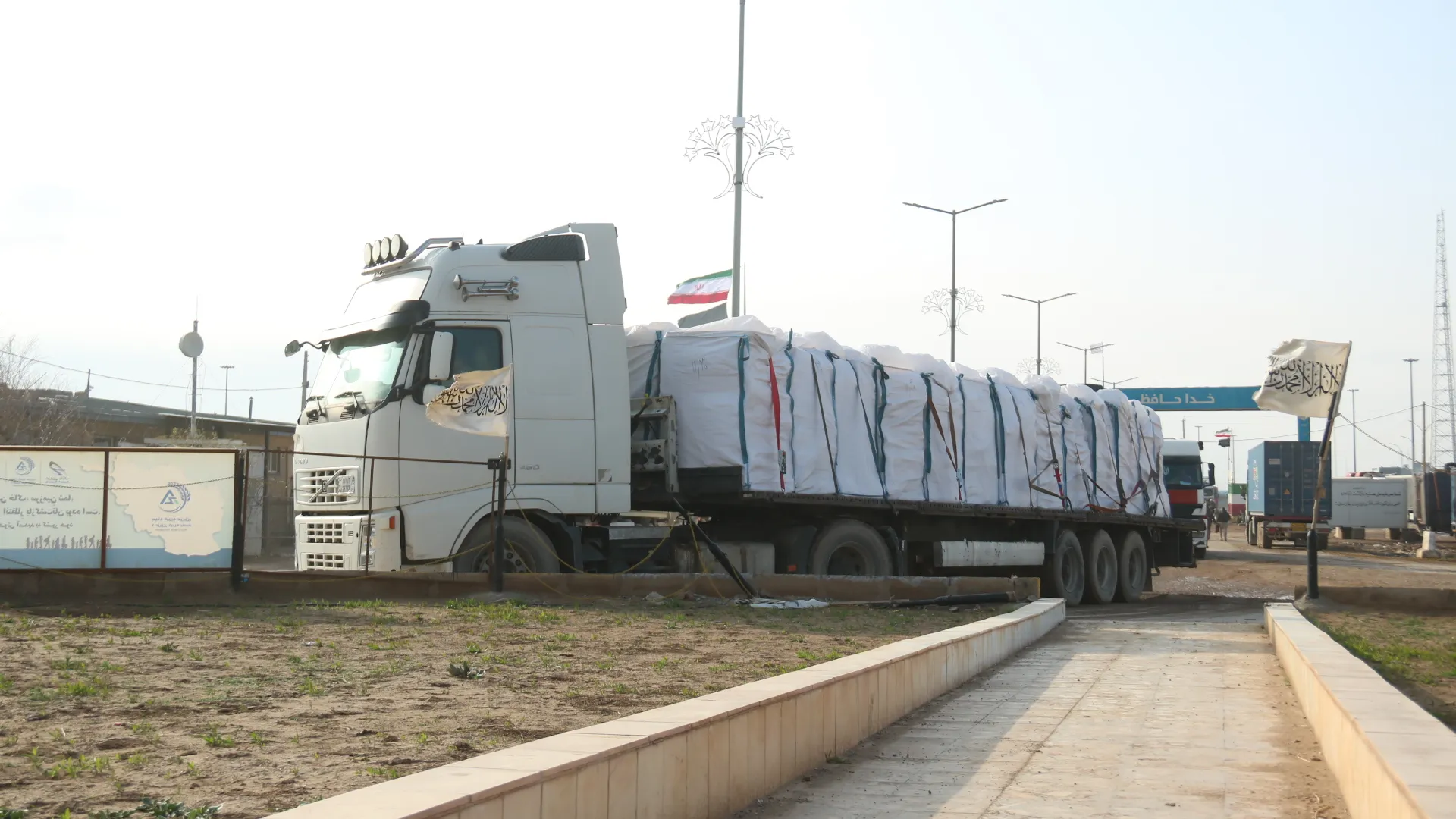
HERAT, Afghanistan — Afghanistan Standard and Quality Authority (ASQA) has rejected two imported shipments of construction and electrical products at the Islam Qala border crossing in western Herat province after inspections found that they failed to meet the country’s required standards.
According to the authority, the shipments consisted of 35,200 kilograms of cement and 20,060 kilograms of solar products. Technical inspections carried out by quality-control officials at the border crossing determined that the goods did not comply with established standards, and authorities subsequently barred them from entering the Afghan market.
The authority said the shipments were returned after being classified as substandard. Officials did not disclose the country of origin of the products.
Islam Qala, on the Afghanistan-Iran border, is the country’s largest and busiest land port. Hundreds of cargo and transit trucks cross the border daily, transporting a wide range of goods between Afghanistan, Iran and other regional markets.
A significant share of Afghanistan’s imported construction materials, consumer goods and industrial products enters the country through Islam Qala. Although authorities did not identify the source of the rejected shipments, Iranian-made cement has historically accounted for a substantial portion of cement imports entering Afghanistan through the crossing.
The National Standards and Quality Authority said inspections of imported goods continue regularly at commercial border points across the country as part of efforts to prevent substandard products from reaching domestic markets and to ensure compliance with national requirements.
The latest rejection underscores the role of border inspections in safeguarding product quality and regulating imports through Afghanistan’s key trade corridors.