Home Art & CultureHerat University Launches Afghanistan’s First Carpet Design Degree to Modernize Industry and Boost Global Exports

Herat University Launches Afghanistan’s First Carpet Design Degree to Modernize Industry and Boost Global Exports

by admin
0 comments

HERAT— In a groundbreaking move to modernize one of Afghanistan’s oldest and most celebrated industries, Herat University has officially launched the country’s first-ever academic department dedicated to Carpet Design and Structure. Operating under the Faculty of Fine Arts, the newly established department will welcome its inaugural cohort of 80 students from across the country through the national university entrance exam (Kankor) for the upcoming academic year.

According to Mohammad Tawfiq Rahmani, Dean of the Faculty of Fine Arts, the curriculum bridges centuries-old traditions with modern global standards. Students will undergo rigorous training in contemporary design methodologies, advanced weaving techniques for carpets and kilims, international market trends, and modern export marketing strategies.

“Our graduates will not just be designers; they will be the future leaders of Afghanistan’s carpet industry,” Rahmani said. He emphasized that all necessary infrastructure and specialized equipment are fully in place to support the program’s debut. Graduates are expected to find immediate career opportunities in production firms, private design studios, and international development agencies active in the sector.

A Surging Export Market

The academic expansion comes amid a strong resurgence in the regional carpet economy. In reports released in October 2025, data from the Herat Chamber of Commerce and Investment highlighted the growing global demand for Afghan hand-woven craftsmanship.
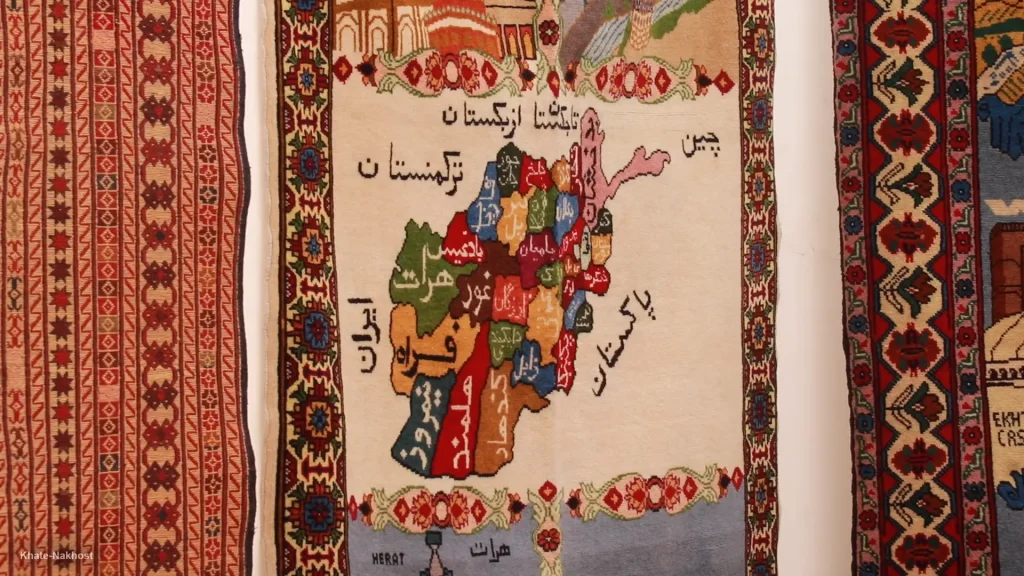
Yousuf Amin, Executive Director of the Chamber, confirmed that Herat exported over $270,000 worth of premium hand-woven carpets to international markets, including Australia, Germany, and Austria. Industry experts believe the new university program will further elevate these numbers by aligning local designs with Western consumer preferences and improving supply chain efficiency.

Giving Voice to the Invisible Weavers

While the industry represents millions of dollars in international trade, its backbone remains deeply grassroots—and overwhelmingly female. Across Afghanistan’s rural landscapes, tens of thousands of women operate home-based looms, turning wool into a means of economic survival.

For these women, carpet weaving is not just an art form; it is a vital lifeline. In remote villages across Herat province, female weavers single-handedly sustain their households through their labor. Yet, despite their foundational role, these artisans have historically remained invisible on the global stage, rarely receiving credit or a fair economic share in international luxury markets.

The human cost and resilience behind every knot were recently highlighted in a profile by this outlet featuring Gulbakht, a 37-year-old mother from Herat. Like thousands of her peers, Gulbakht relies entirely on her loom to put food on the table for her family, embodying both the silent struggle and the undeniable strength of Afghanistan’s female workforce.

By introducing academic rigor to the craft, supporters hope the new department at Herat University will eventually help bridge the gap between rural home-weavers and international markets—ensuring that the next generation of Afghan carpets carries not only premium designs but also greater equity for the hands that weave them.

You may also like

Leave a Comment