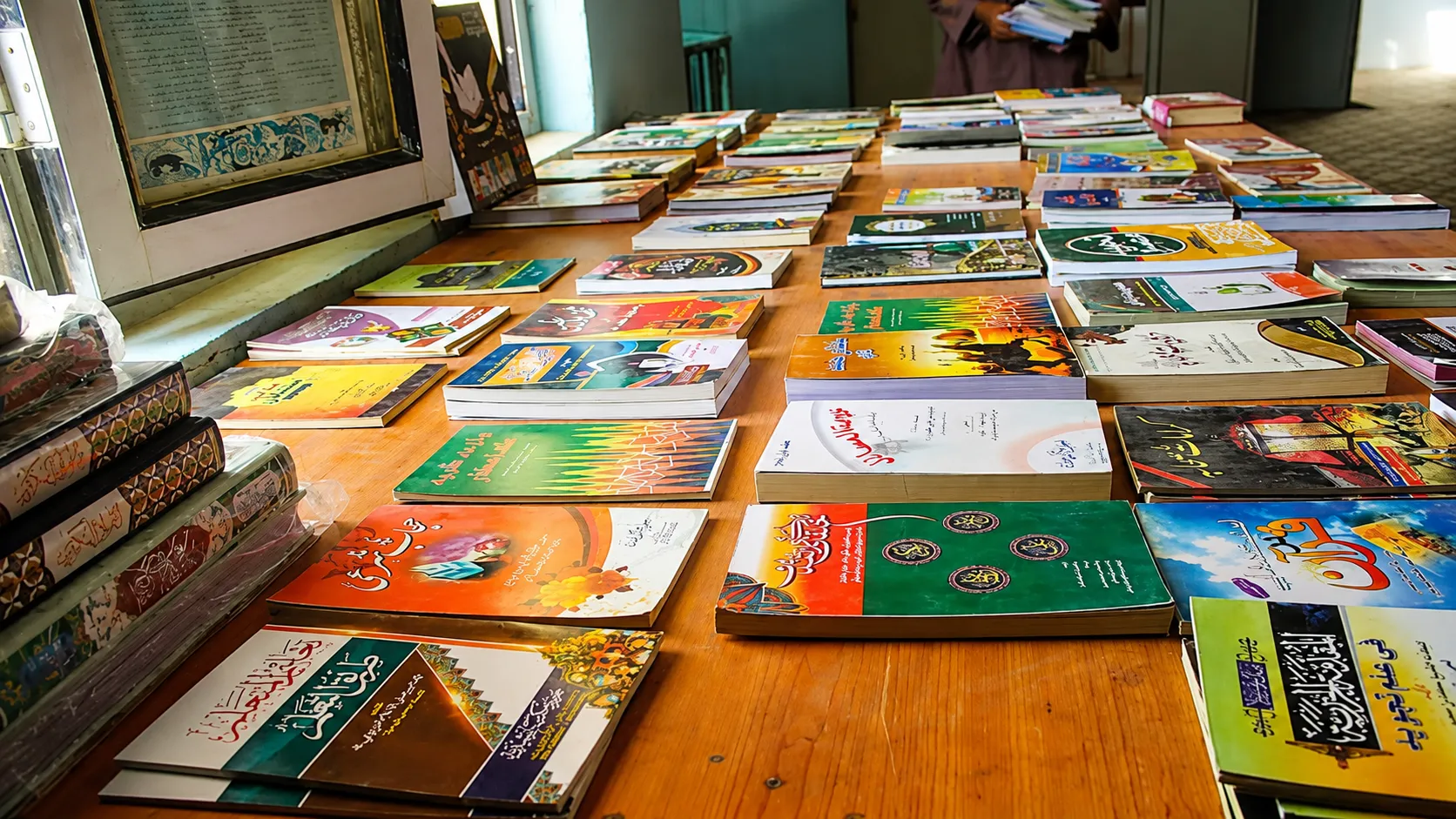
FARAH, AFGHANISTAN – In an effort to counter a severe nationwide decline in reading culture, the Department of Information and Culture in Afghanistan’s western Farah province has inaugurated a seven-day book exhibition. The initiative comes at a critical time when international reports rank Afghanistan among the countries with the lowest literacy and reading rates globally, exacerbated by years of conflict and recent economic hardships.
Contextualizing the National Crisis
According to international educational assessments and cultural surveys, the average time spent reading books in Afghanistan remains alarmingly low compared to regional peers. UNESCO reports have consistently highlighted that decades of instability, lack of access to public libraries, and the economic crisis have pushed books down the priority list for many Afghan families. Despite these staggering national statistics, localized cultural efforts in western Afghanistan are attempting to bridge the gap.
Local Efforts Against National Trends
The opening ceremony in Farah gathered local academics and officials who addressed these challenges directly. Mohammad Abdul Hai Sabawon, Head of the Farah Information and Culture Department, emphasized that promoting literature is the only way to reverse this trend. “Books are essential tools to elevate human capacity from limited knowledge to high achievements,” Sabawon stated, urging the public to reintegrate reading into daily life.
Abdul Zahir Sediqi, a professor at Farah State University, noted that while national literacy figures are concerning, the infrastructure for comprehensive study within the province is expanding, offering hope for university students and young researchers.
Focus on Marginalized Groups and Refugees:
A unique dimension of Farah’s strategy involves integrating returned migrants. Mohammad Abdul Rahman Habibzai, Head of the Refugees and Repatriation Department, announced a joint collaboration with educational institutions to provide specialized reading opportunities for displaced youth who have recently returned to the province, aiming to prevent further educational gaps.
Statistics and Future Outlook:
The Farah Public Library, which manages a collection of over 8,000 books, collaborated with prominent publishers like Baihaqi and Mohammadias to supply the fair. Mohammad Nazir Haidari, General Manager of the library, reported that despite low national interest in reading, the event drew a surprising 300 visitors on its first day—mostly university students and school pupils.
To maintain this momentum, local authorities confirmed that this exhibition will transition from an annual event into a quarterly initiative, establishing Farah as a key cultural hub in western Afghanistan.